
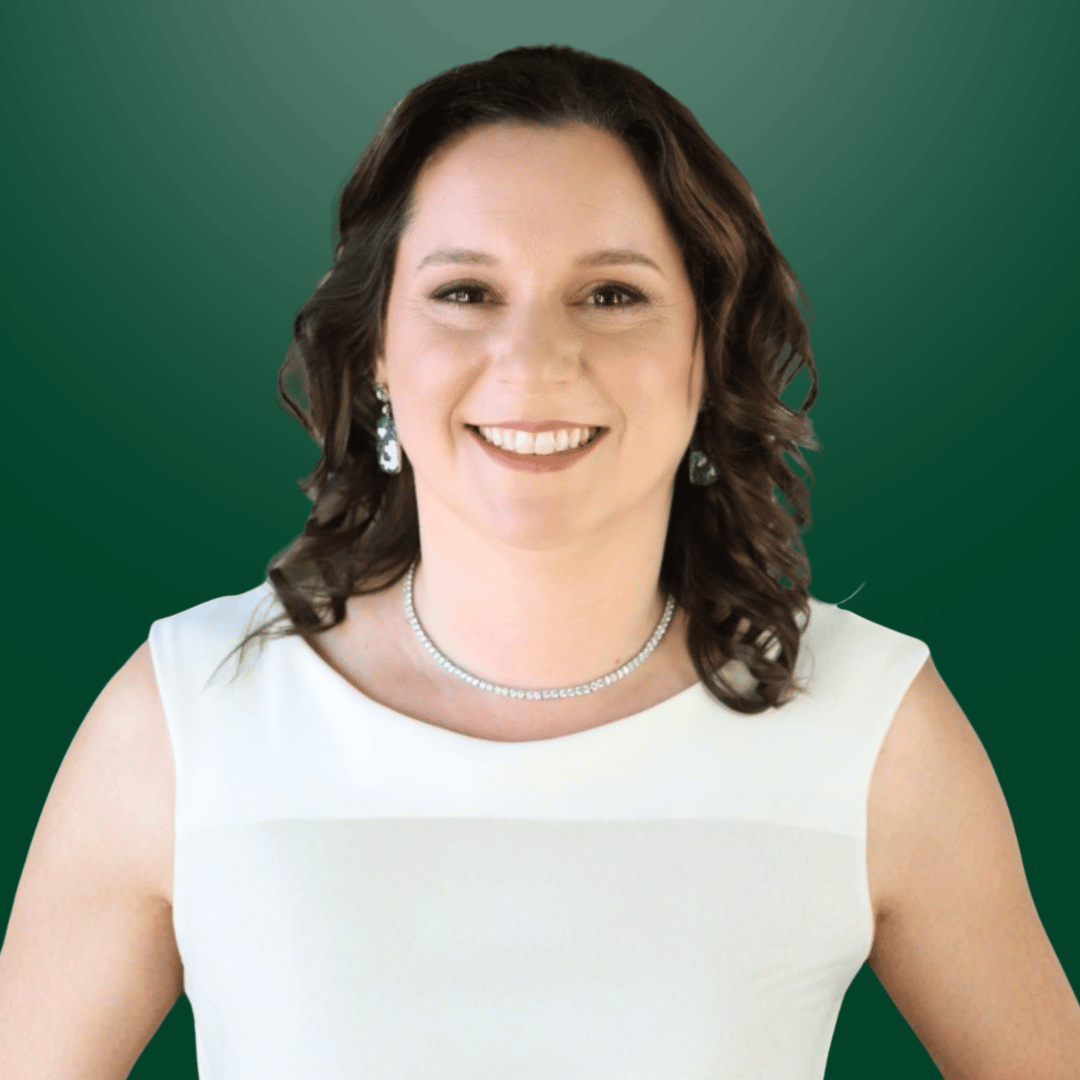
BCBA, QBA. Ed.D. in Organizational Leadership at Grand Canyon University and M.S. in Applied Behavior Analysis at American Jewish University. Chair of the International Development Committee for Applied Behavior Analysis at the QABA Credentialing Board.
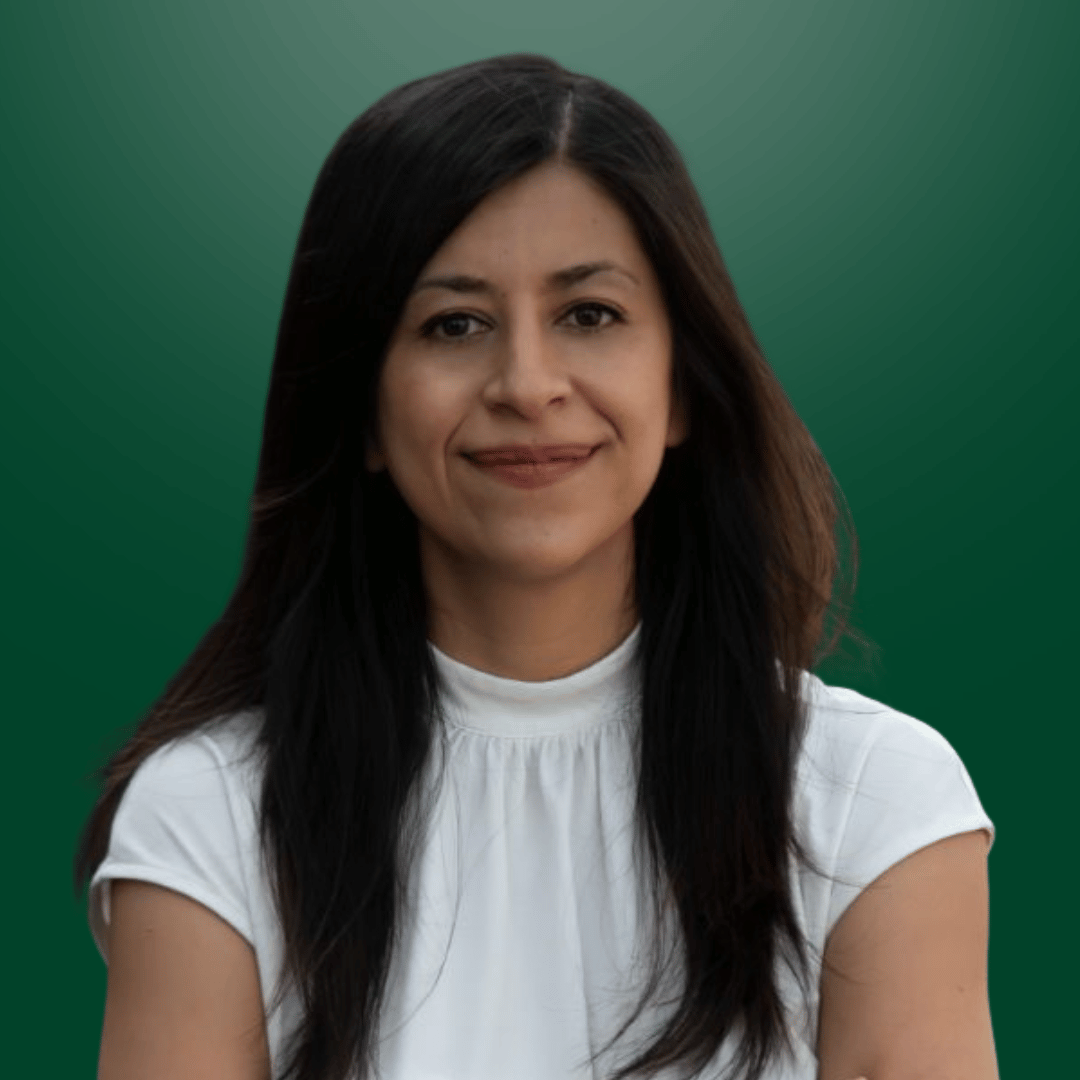
BCBA. Ph.D. in Psychology with specialization in the Experimental Analysis of Behavior. Postdoctoral fellowship at the Behavior Analysis Research Clinic. Full member of the Association for Behavior Analysis International, member of Mexico's National System of Researchers, and Founding Member and President of OMPAC.
BCBA-D. Ph.D. in Applied Behavior Analysis at Utah State University. Clinical Assistant Professor and Director of the ABA programs at Purdue University.
BCBA, IBA. M.S. in Applied Behavior Analysis for Autism Spectrum Disorders at Universidad Autónoma de Chile and Bachelor's in Speech Therapy at Universidad Mayor. University instructor practicing at CeABACl. Founding member and board leader of ABA Chile.
BCBA. Master's in Education and Bachelor's in Psychopedagogy at Universidad de Monterrey. Founder and Director of Bloom Children's Center and Vice President of OMPAC.
BCBA-D. Ph.D. in Applied Behavior Analysis at Endicott College. Coordinator of Curriculum Development and Instructional Design at Endicott College.

BCBA-D. Ph.D. in Behavior Analysis at Van Loan School, Endicott College. Adjunct Faculty at the Institute for Applied Behavioral Science, Endicott College.
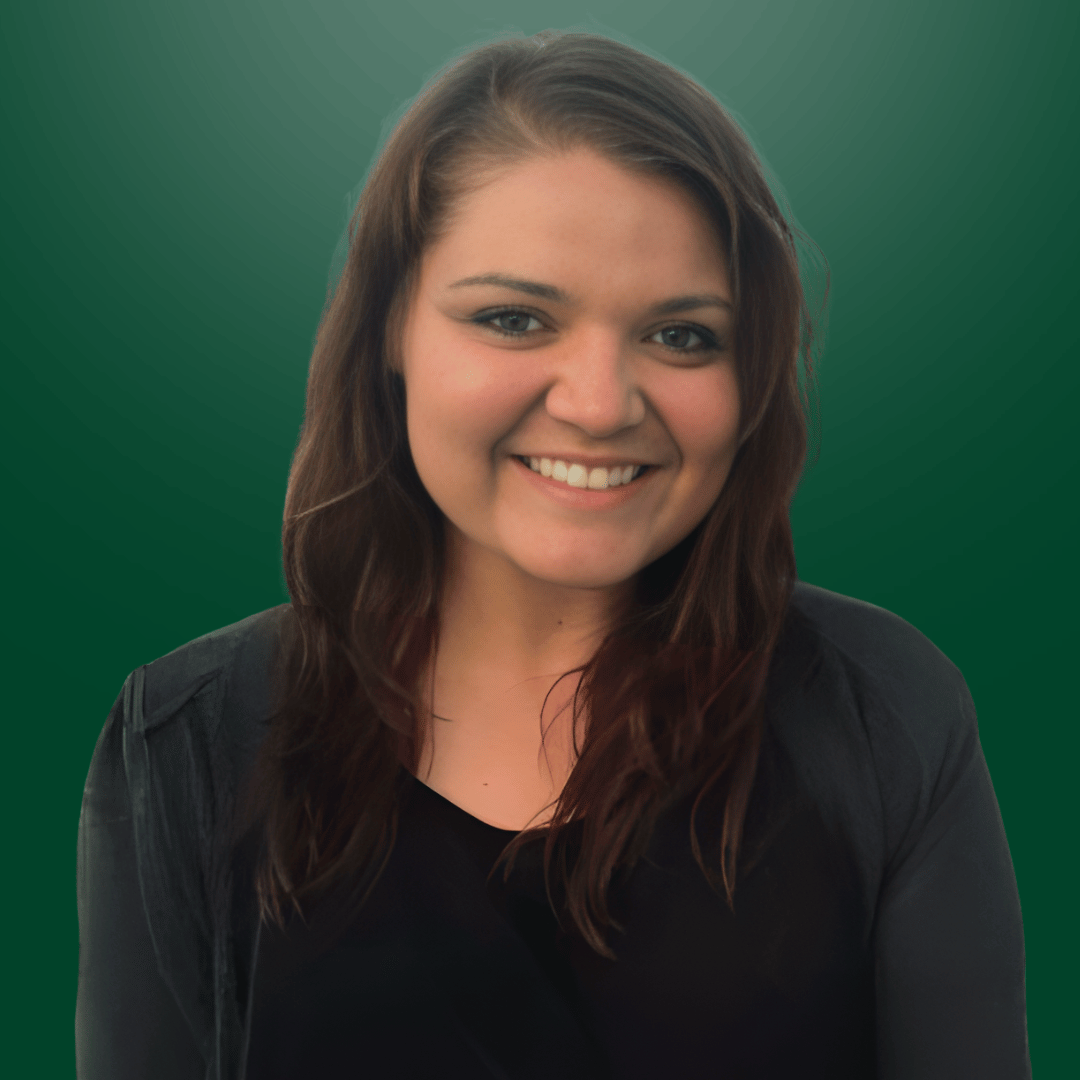
BCBA-D. Doctorate in Applied Behavior Analysis (Teachers College, Columbia University). Behavior Specialist in the Park City School District.

BCBA-D. Psy.D. in Clinical Psychology, with specialization in Cognitive-Behavior Therapy and Applied Behavior Analysis. Clinical Psychologist and faculty member at Johns Hopkins Medicine, and Director of the Brief Treatment Clinic at the Kennedy Krieger Institute.
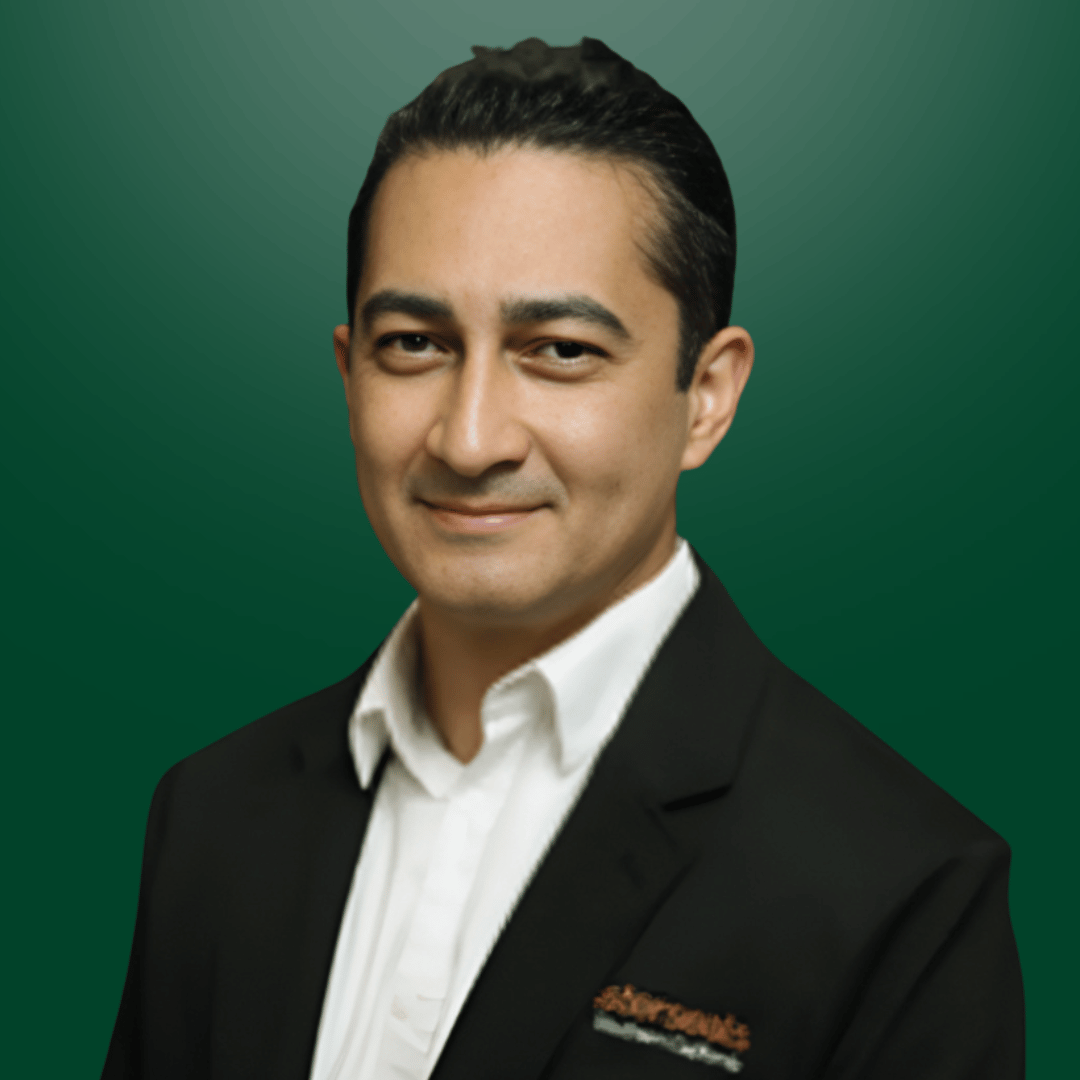
BCBA-D. Ph.D. in Psychology at Western Michigan University and M.S. in Behavior Analysis at California State University. Vice President of Research for Autism Services at Easterseals Southern California.
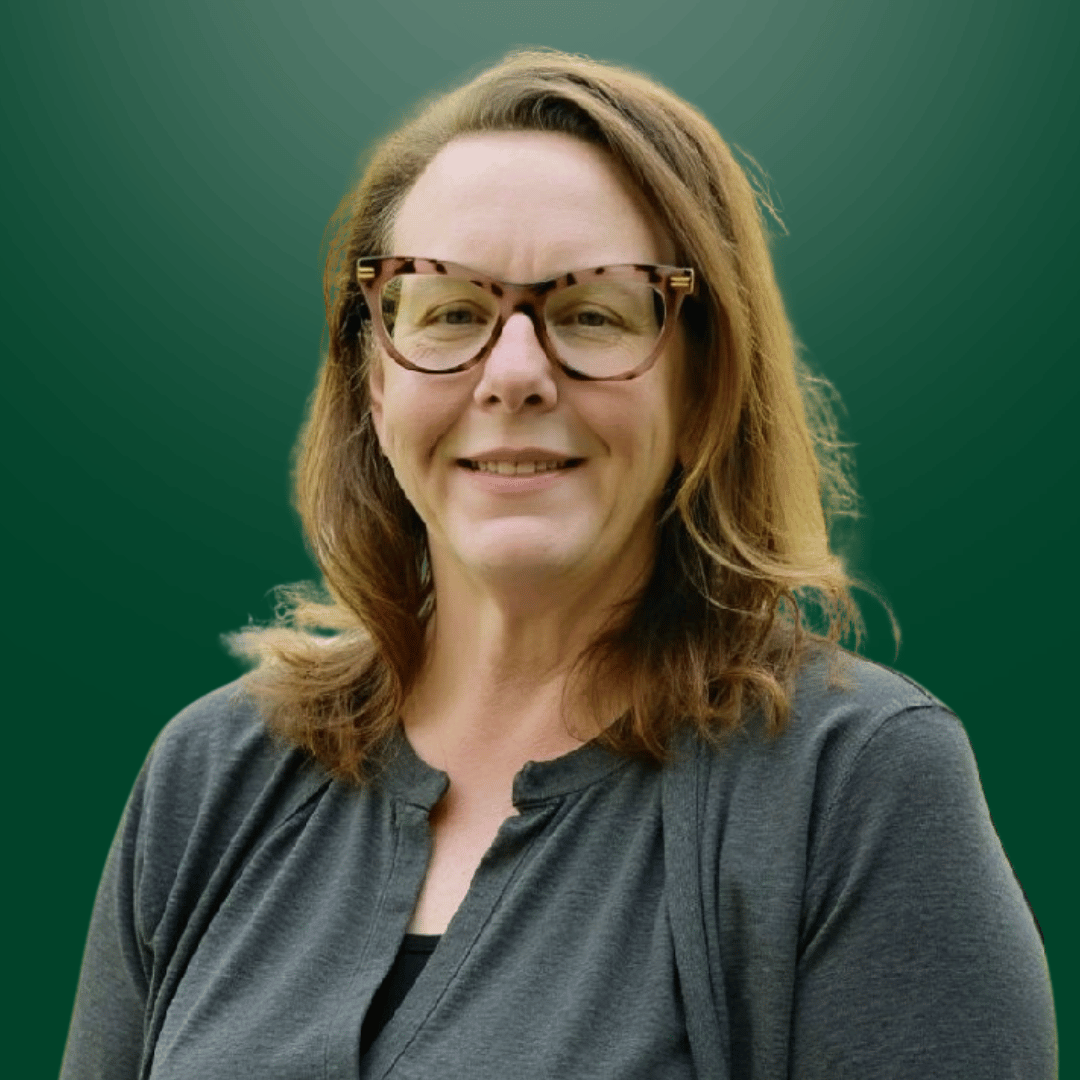
BCBA-D. Psy.D. in Applied Behavior Analysis at Capella University. Center Director at HealthPRO Pediatrics.
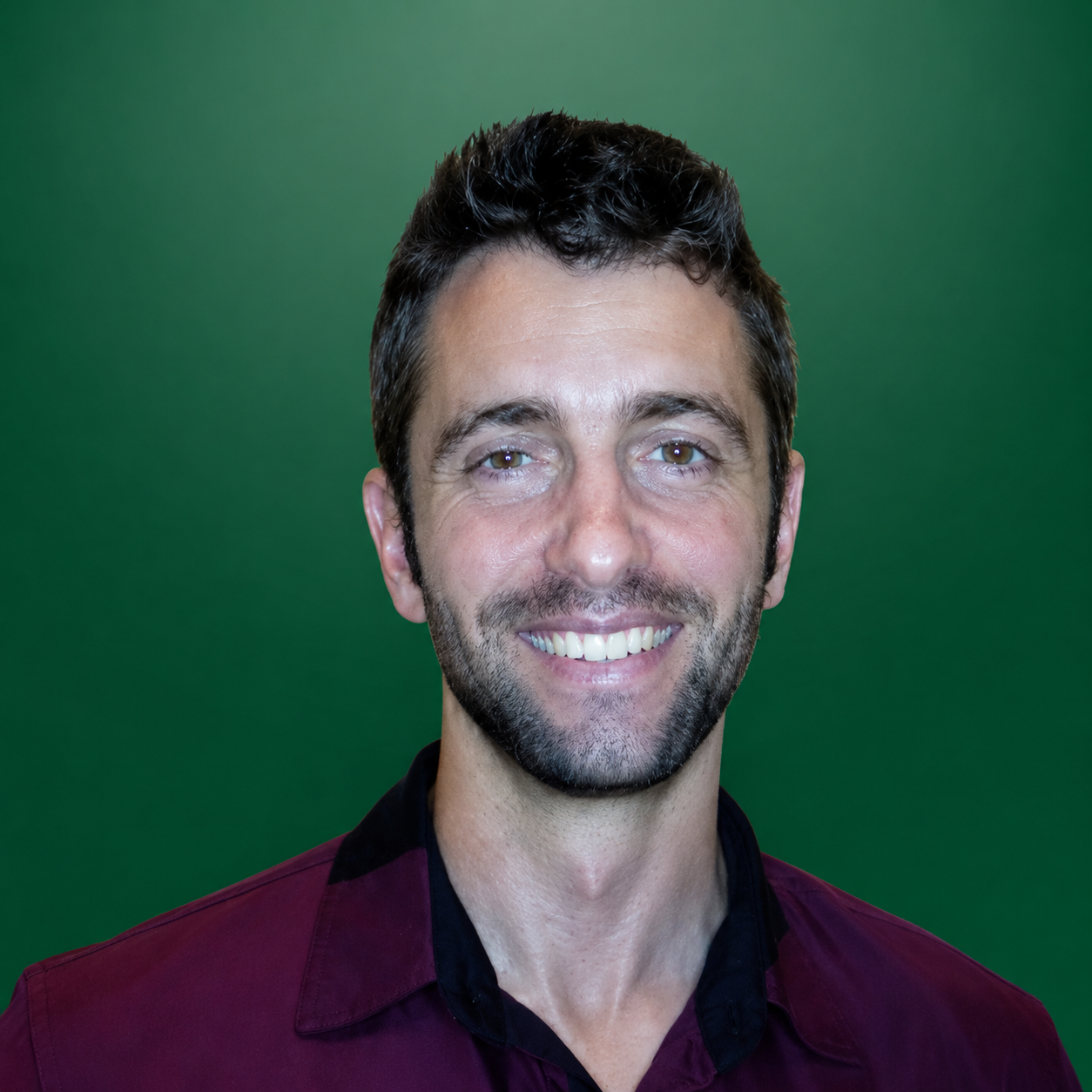
BCBA-D. Ph.D. in Behavior Analysis at West Virginia University. Clinic Director at Trumpet Behavioral Health.
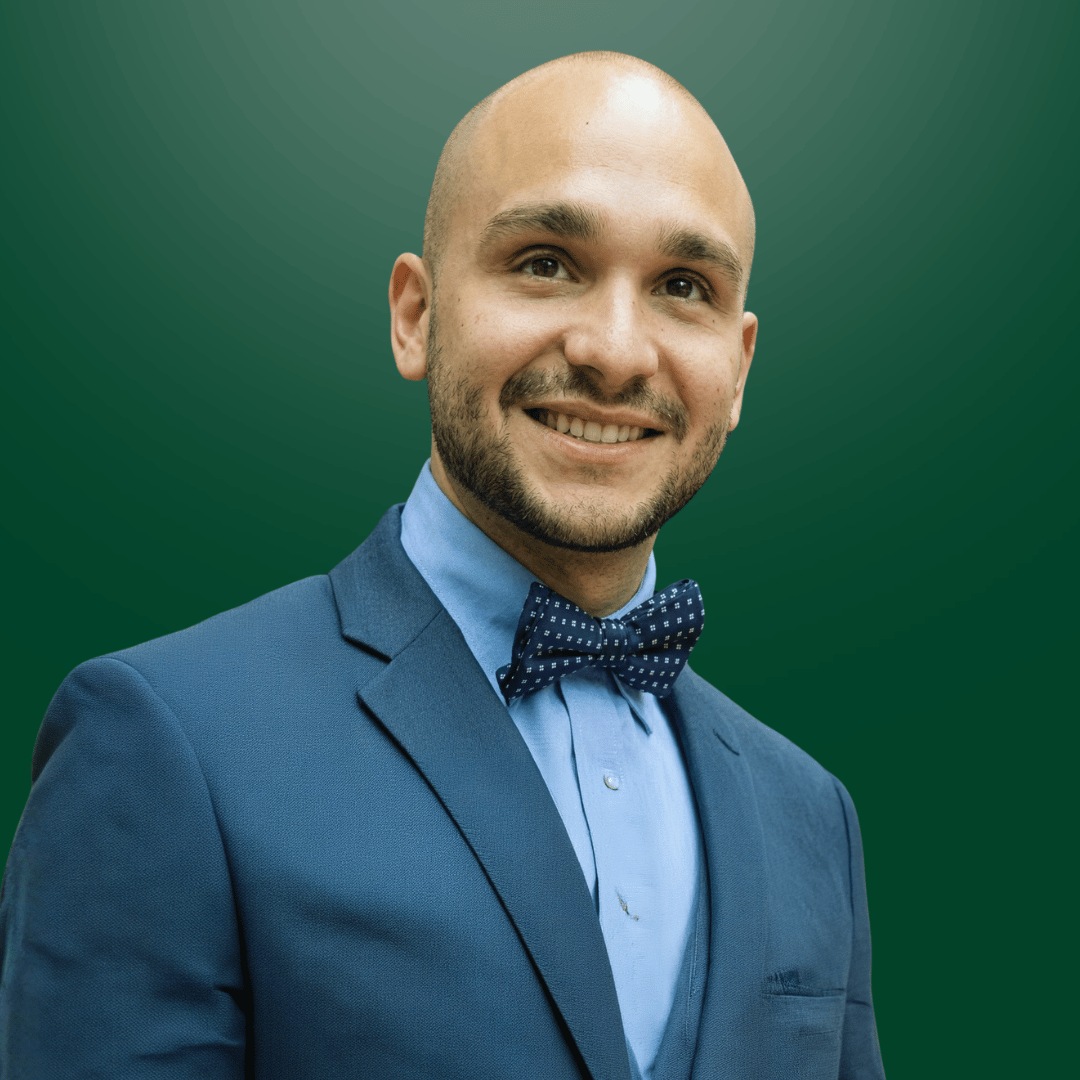
Ph.D. in Applied Behavior Analysis. Adjunct Assistant Professor at Columbia University and Behavior Specialist at Bergen County Special Services.
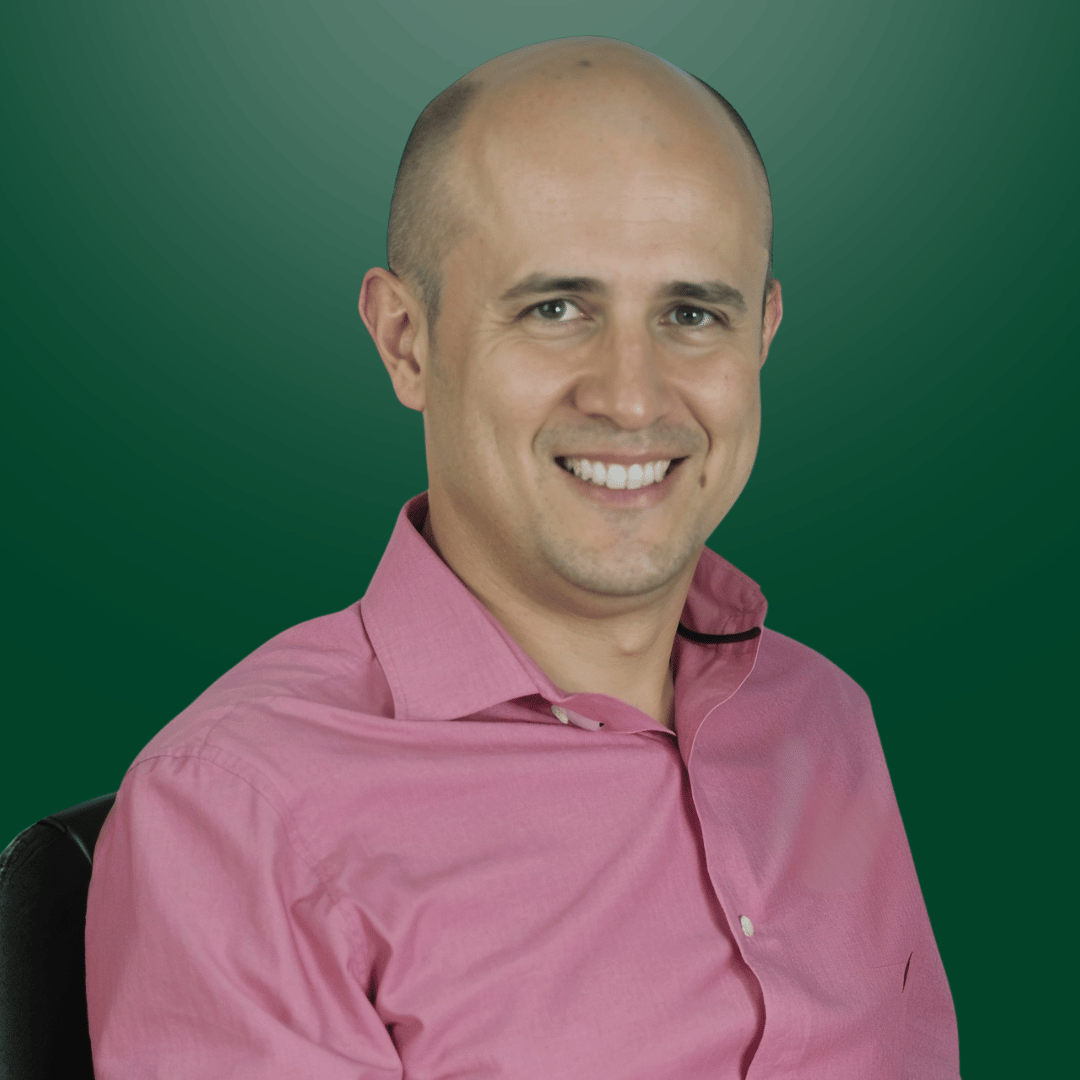
BCBA-D. Ph.D. in Applied Behavior Analysis at Southern Illinois University. Assistant Professor at Pontificia Universidad Javeriana.
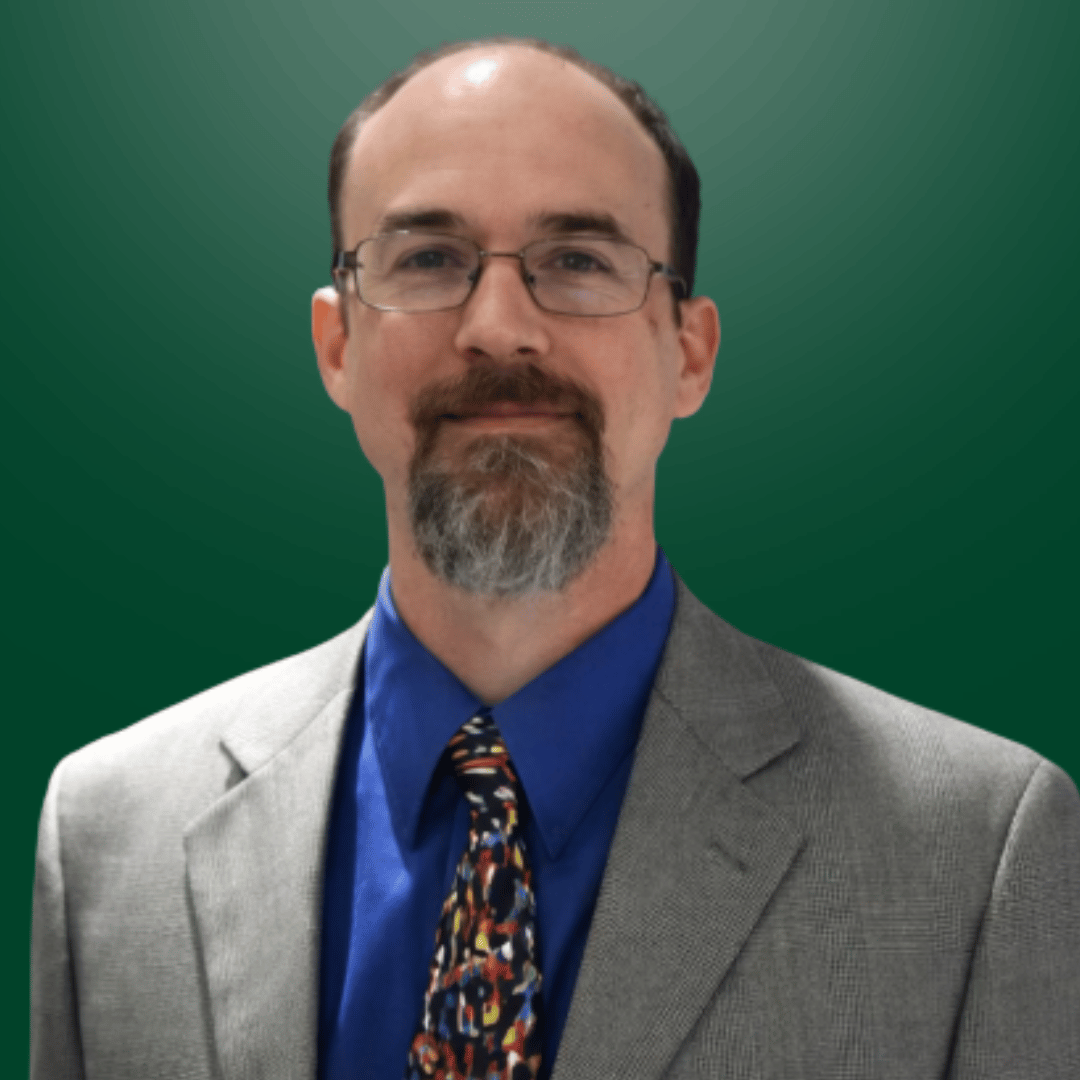
BCBA. Ph.D. in Applied Behavior Analysis at Endicott College. Experience in Behavior Analysis, Online Therapy, Forensic Psychology, and Criminal Behaviorology.
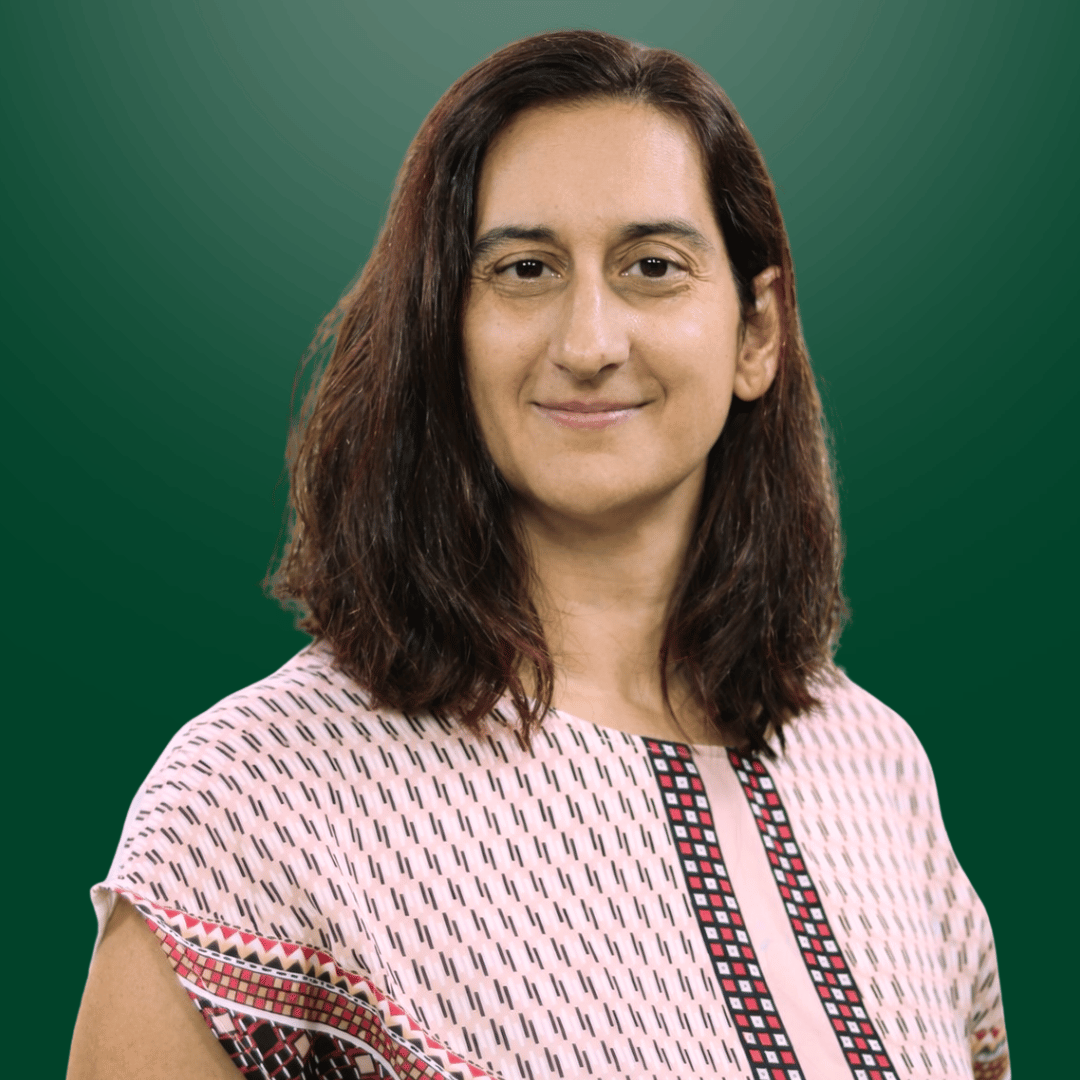
BCBA-IBA. Ph.D. in Psychology. Permanent Faculty Professor at Universidad Rey Juan Carlos. Licensed Psychologist and Board Certified Behavior Analyst specialized in Neurodevelopmental Disorders.
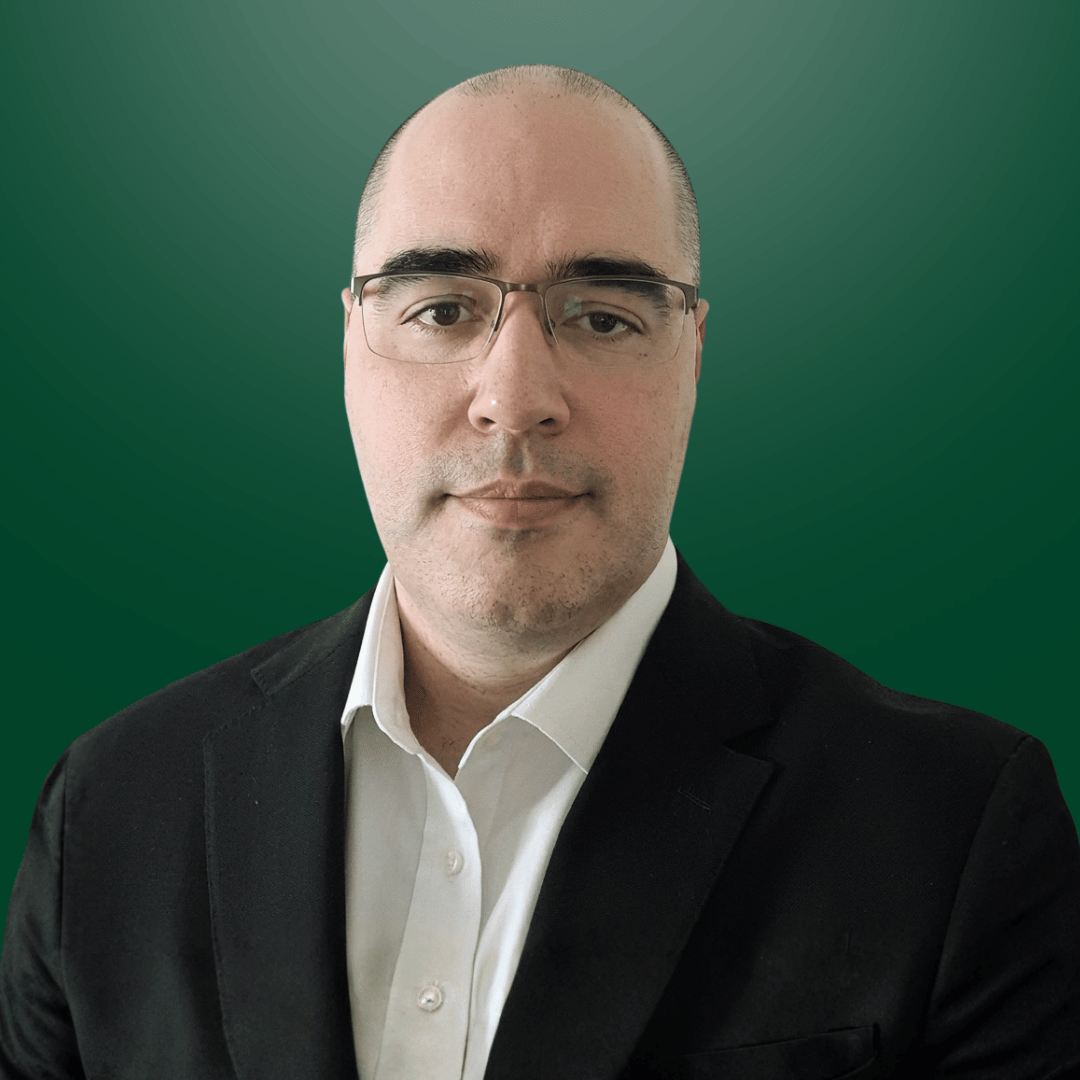
BCBA-D. Ph.D. in Psychology. More than ten years of experience in clinical, academic, and educational settings. Specialist in the ethical and child-centered implementation of the ABA model under the CABAS approach.
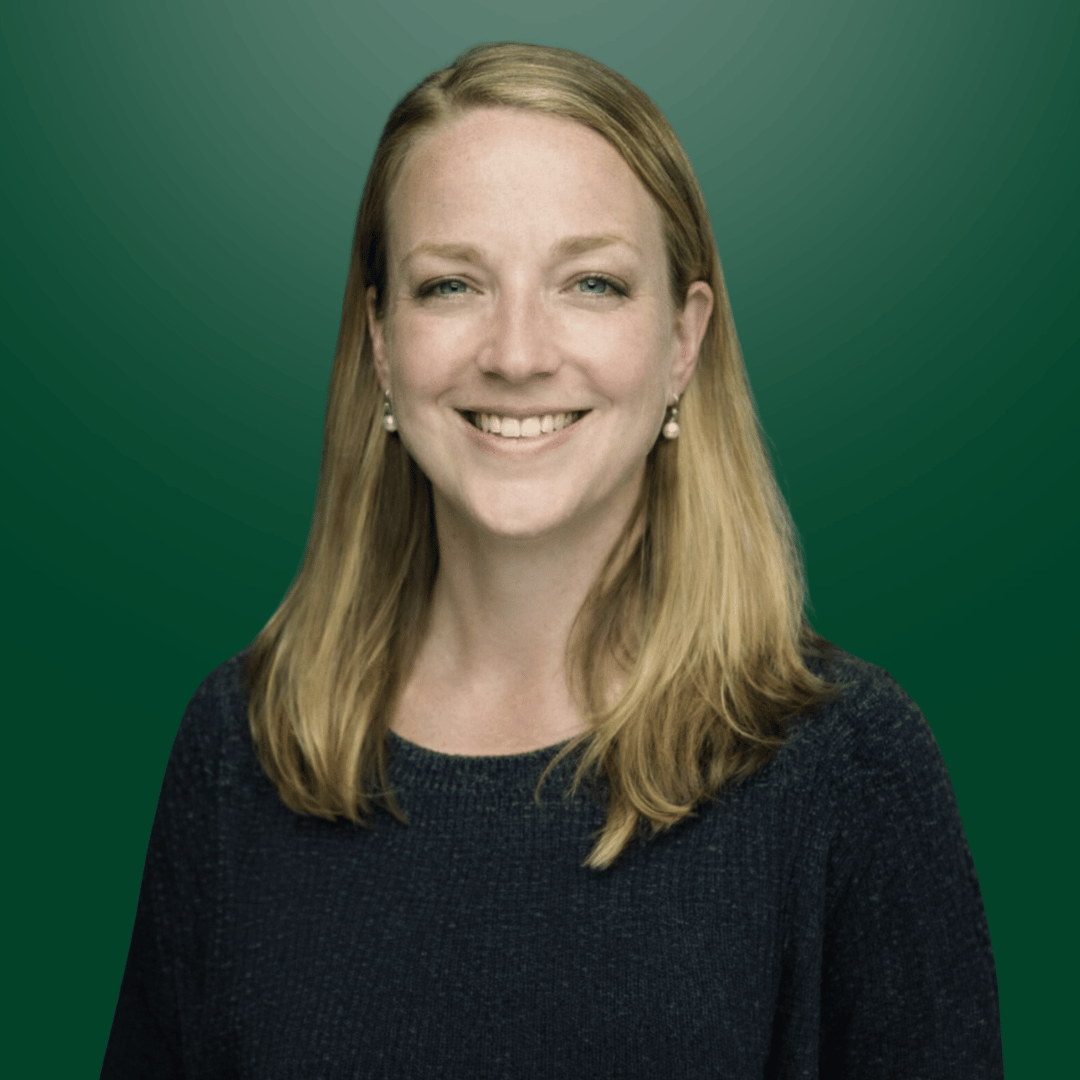
BCBA-D. Doctorate in School Psychology at Syracuse University. Assistant Professor at the University of North Carolina Wilmington and Owner and Licensed Psychologist at Lighthouse Behavioral Services, PLLC.
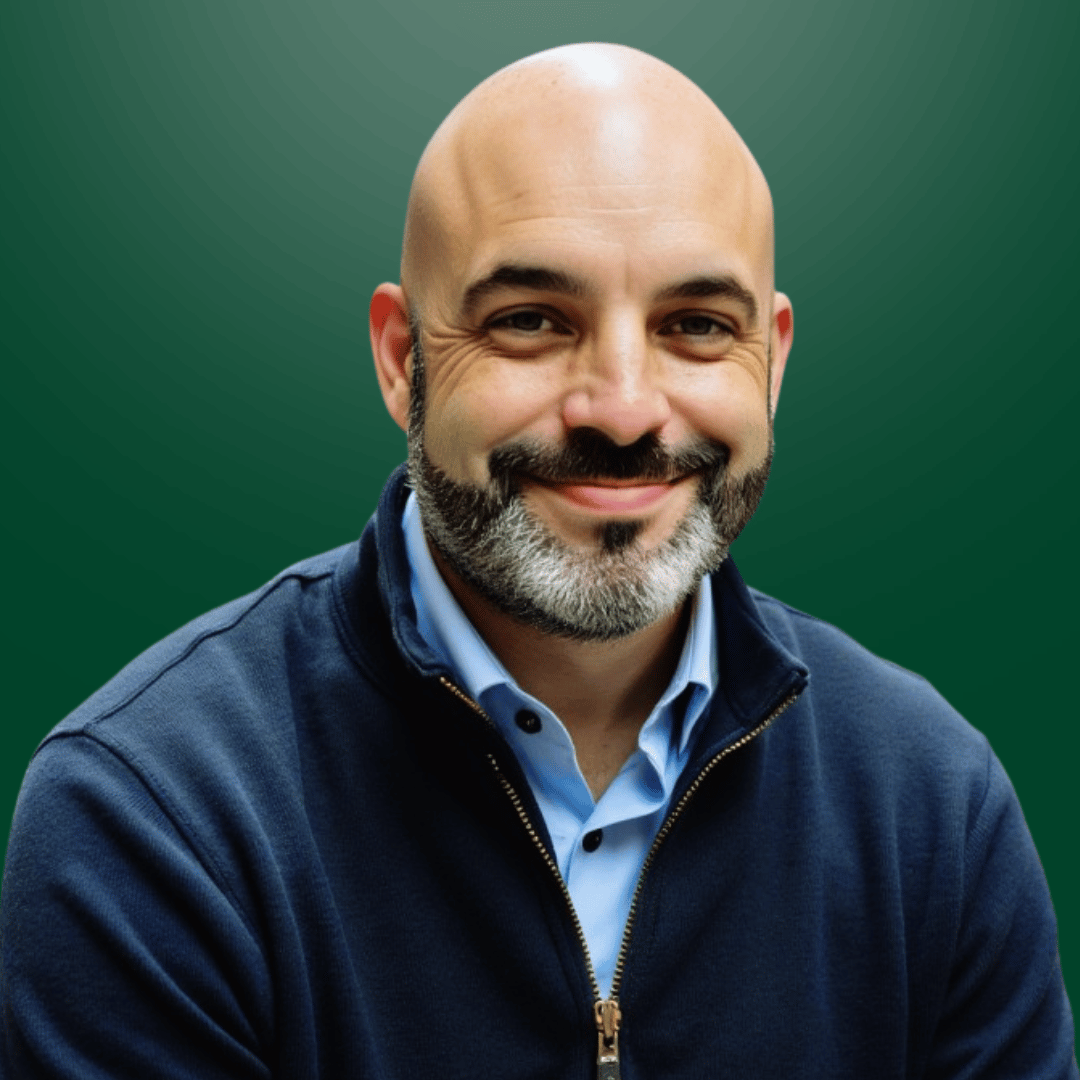
BCBA, IBA. DBA in Business Administration at University of South Florida and M.S. in Applied Behavior Analysis. CEO of OBM Enterprises, specialist in Organizational Behavior Management, author, and global ABA consultant.
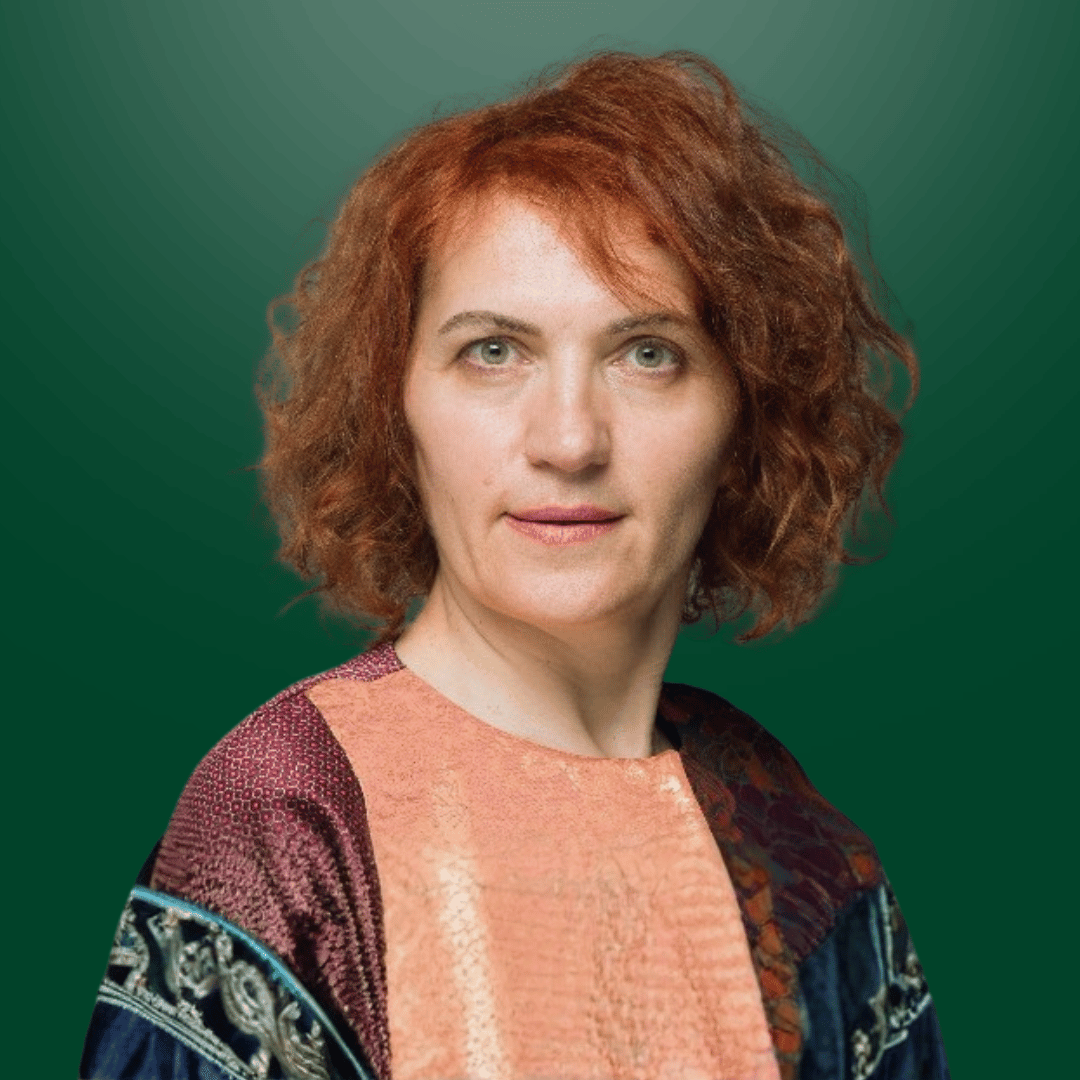
Ph.D. in Special Education and B.Sc. in Counseling and Guidance. Professor at Anadolu University.
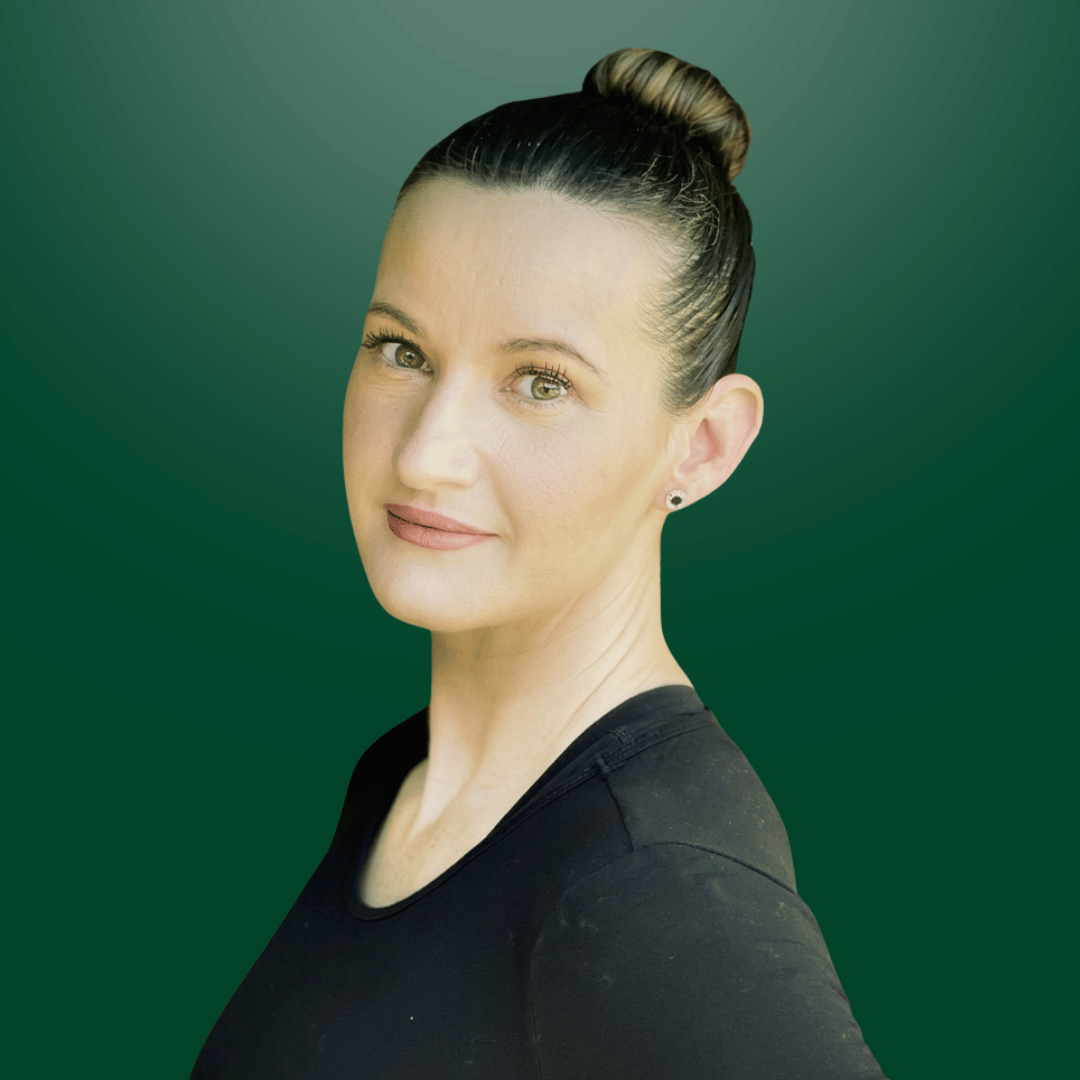
BCBA. Doctor in Behavior Analysis at Capella University, Certificate in Organizational Behavior Management. Associate Editor at the B.F. Skinner Foundation and Adjunct Faculty at National University. Director of Research Operations at Easterseals Southern California.
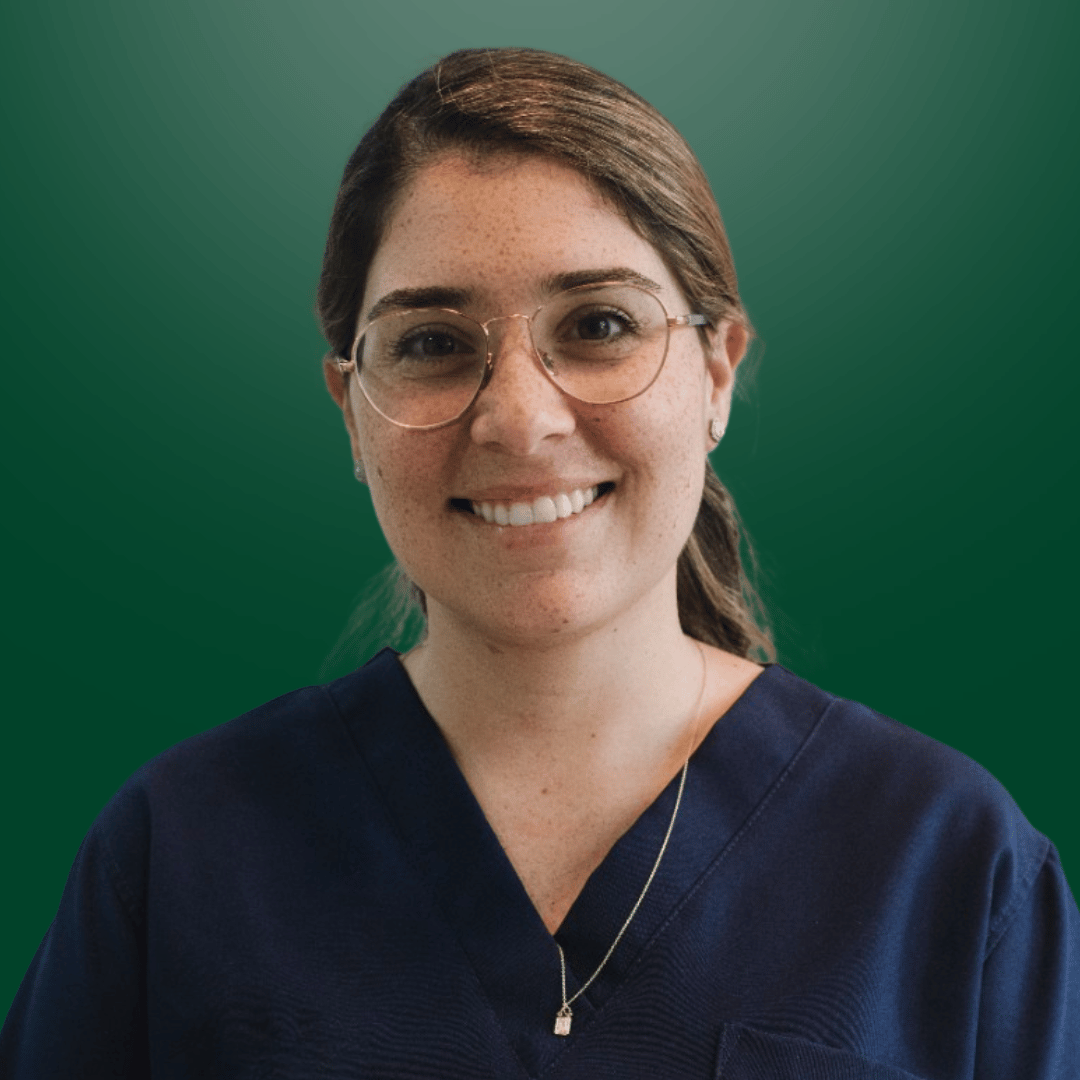
BCBA. Master's in Applied Behavior Analysis (Teachers College, Columbia University). Director of ABA Learning/Conduit and Co-founder of Wink.
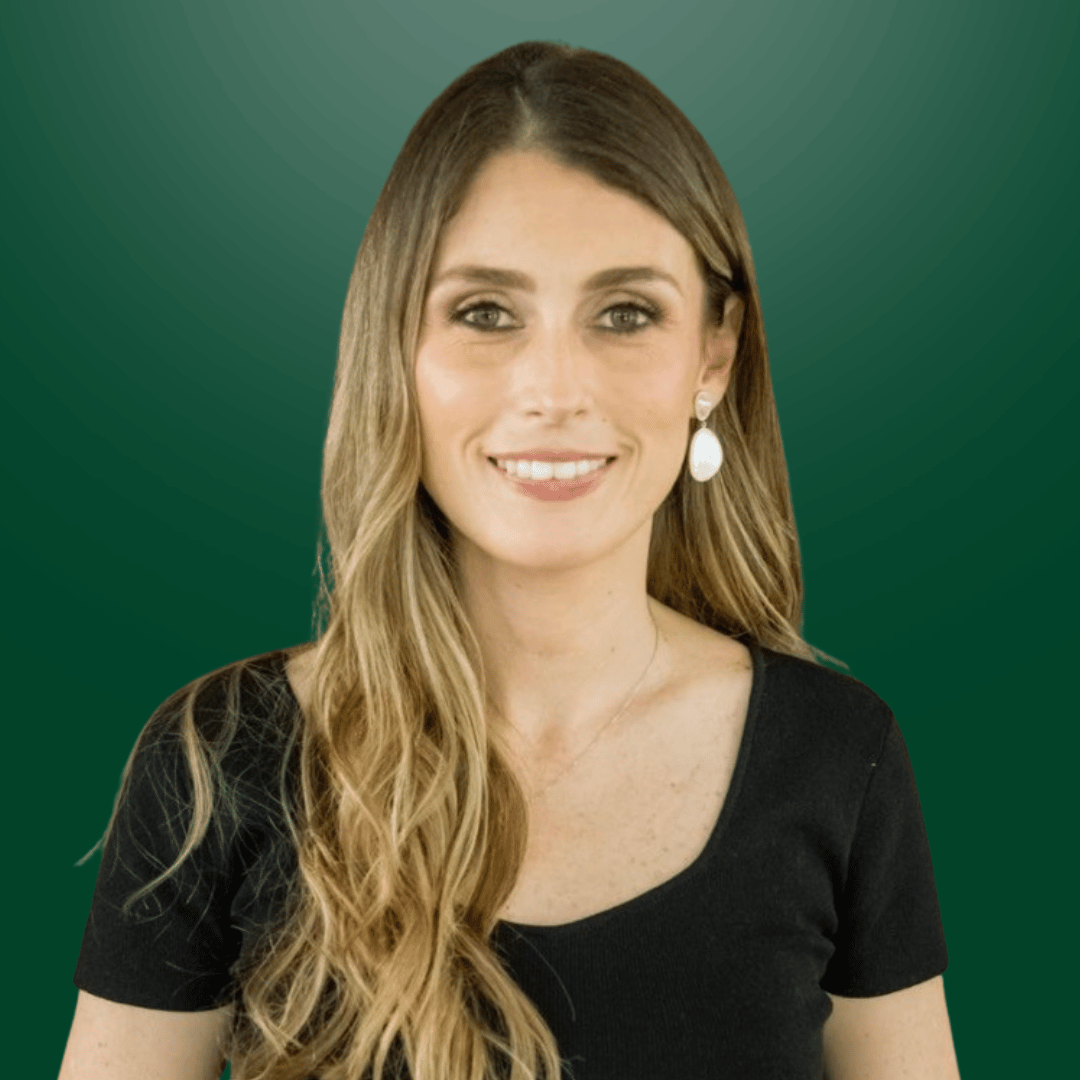
BCBA. M.S. in Applied Behavior Analysis and Research at Universidad del Istmo and Bachelor's in Clinical Psychology at Universidad Francisco Marroquín. Co-founder and Clinical Director of ABA Guatemala, and FTF Instructor.
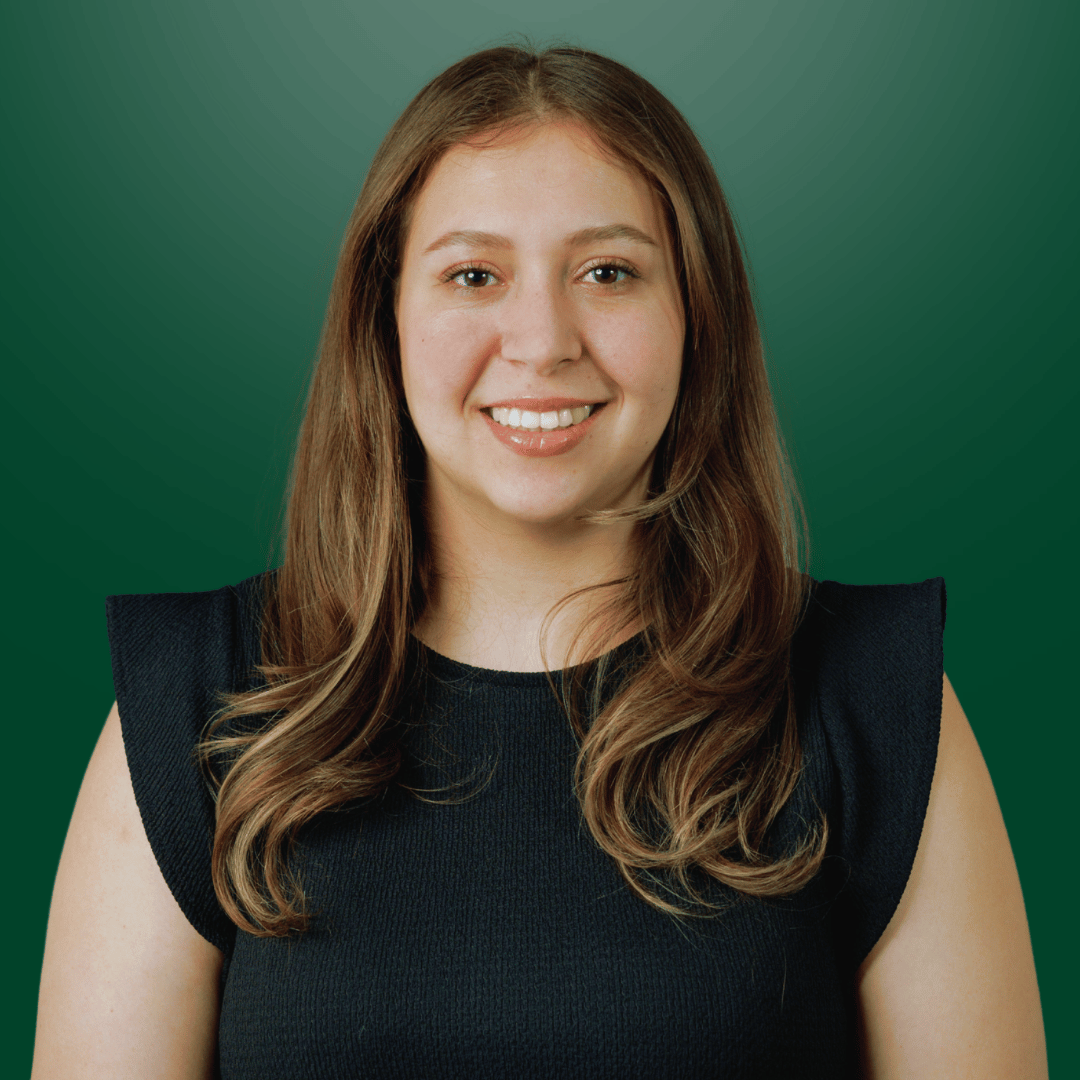
BCBA. M.A. in Applied Behavior Analysis. Doctoral student at the University of Nebraska Medical Center, working in behavioral intervention for ASD at the Munroe-Meyer Institute.
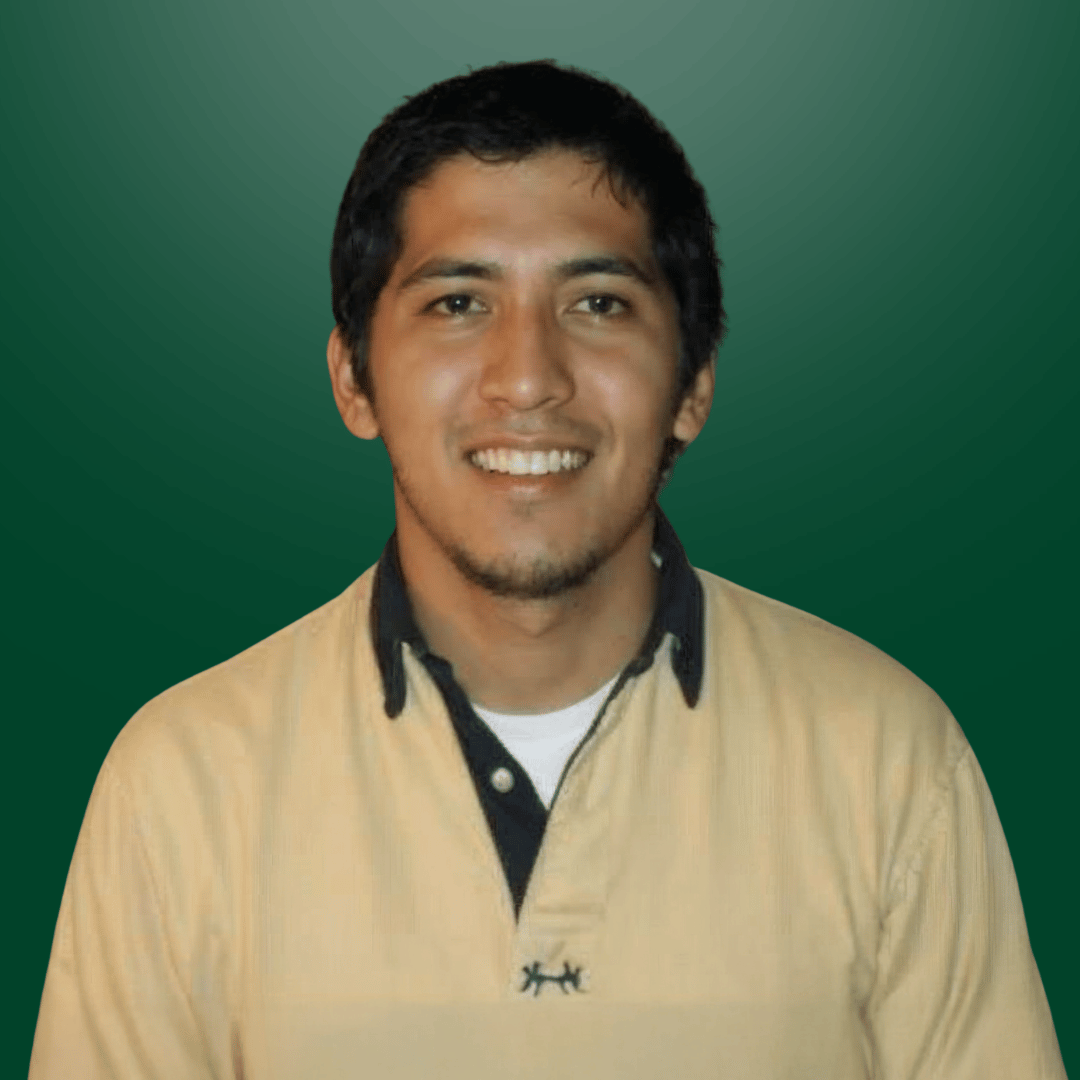
Master's in ABA Intervention for Autism and Other Developmental Disorders at ABA Spain and Bachelor's in Psychology at Universidad de Buenos Aires. Co-Director of the ABA Diploma Program in Neurodevelopmental Disorders at Universidad Abierta Interamericana and Founder of PASOS.
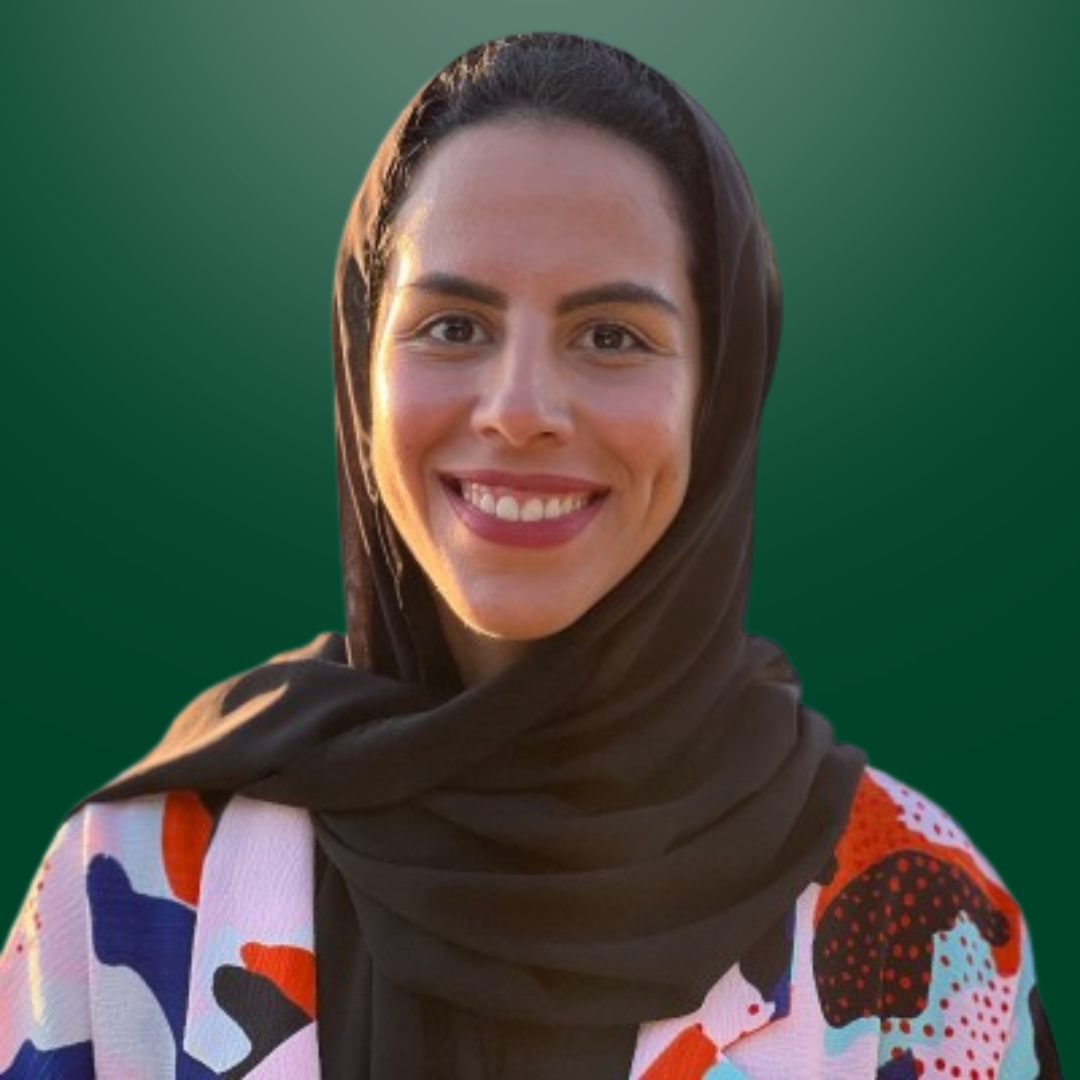
BCBA, Ph.D. in Applied Behavior Analysis, M.A. in Applied Behavior Analysis, and BA.Sc. in Special Education with emphasis in Learning Disabilities. Adjunct Research Associate at Curtin University.
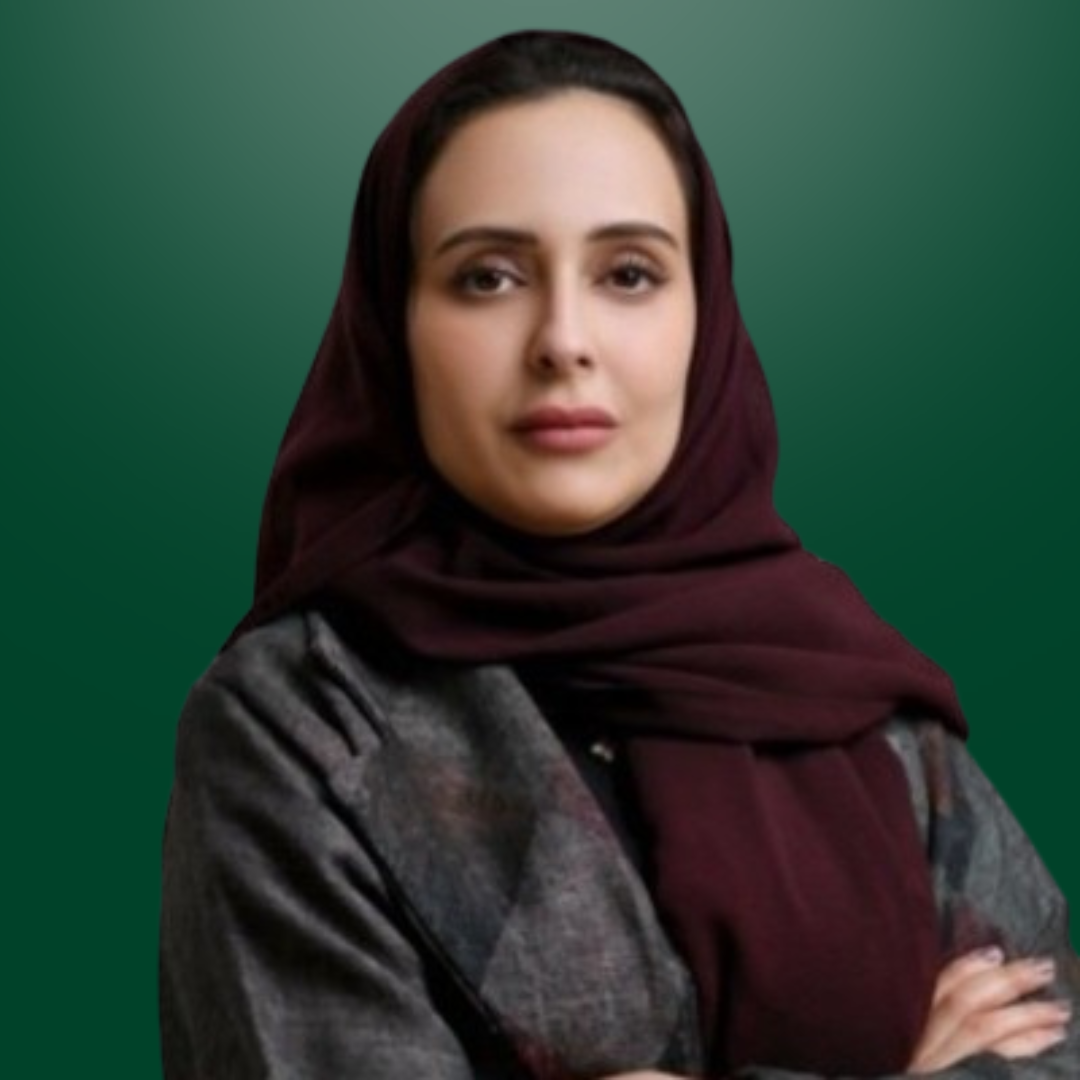
BCBA, IBA, Master's in Psychology, Certificate in Applied Behavior Analysis, Postgraduate Certificate in Play Therapy, and Bachelor's in Psychology. General Manager of Bridge Clinics and Senior Psychologist at Bridge Medical Center.
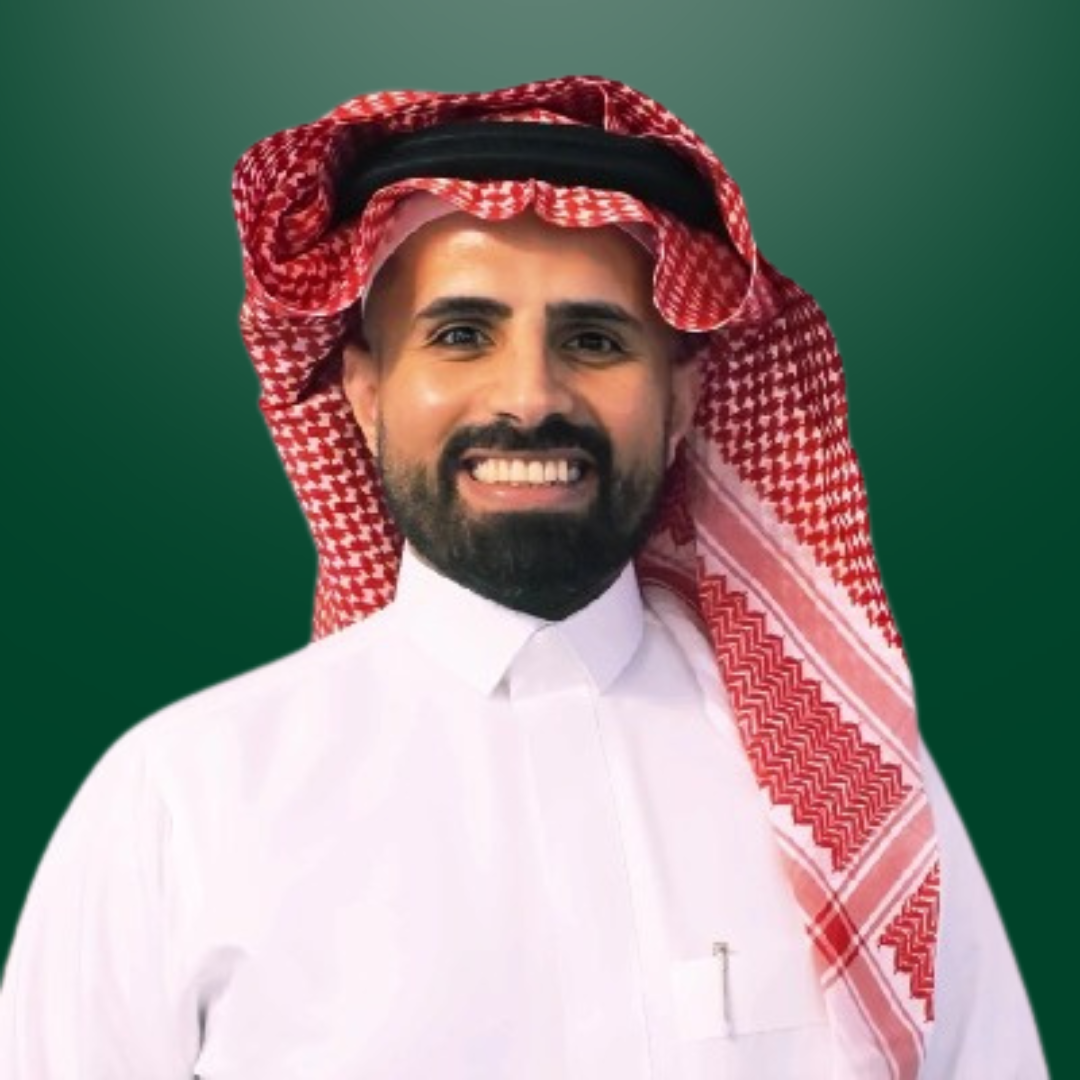
BCBA, LBA, Master's in Special Education and Teaching, Graduate Certificate in Applied Behavior Analysis, and Bachelor's in Special Education and Teaching. Behavior Analysis Supervisor at Spectrum Clinic.
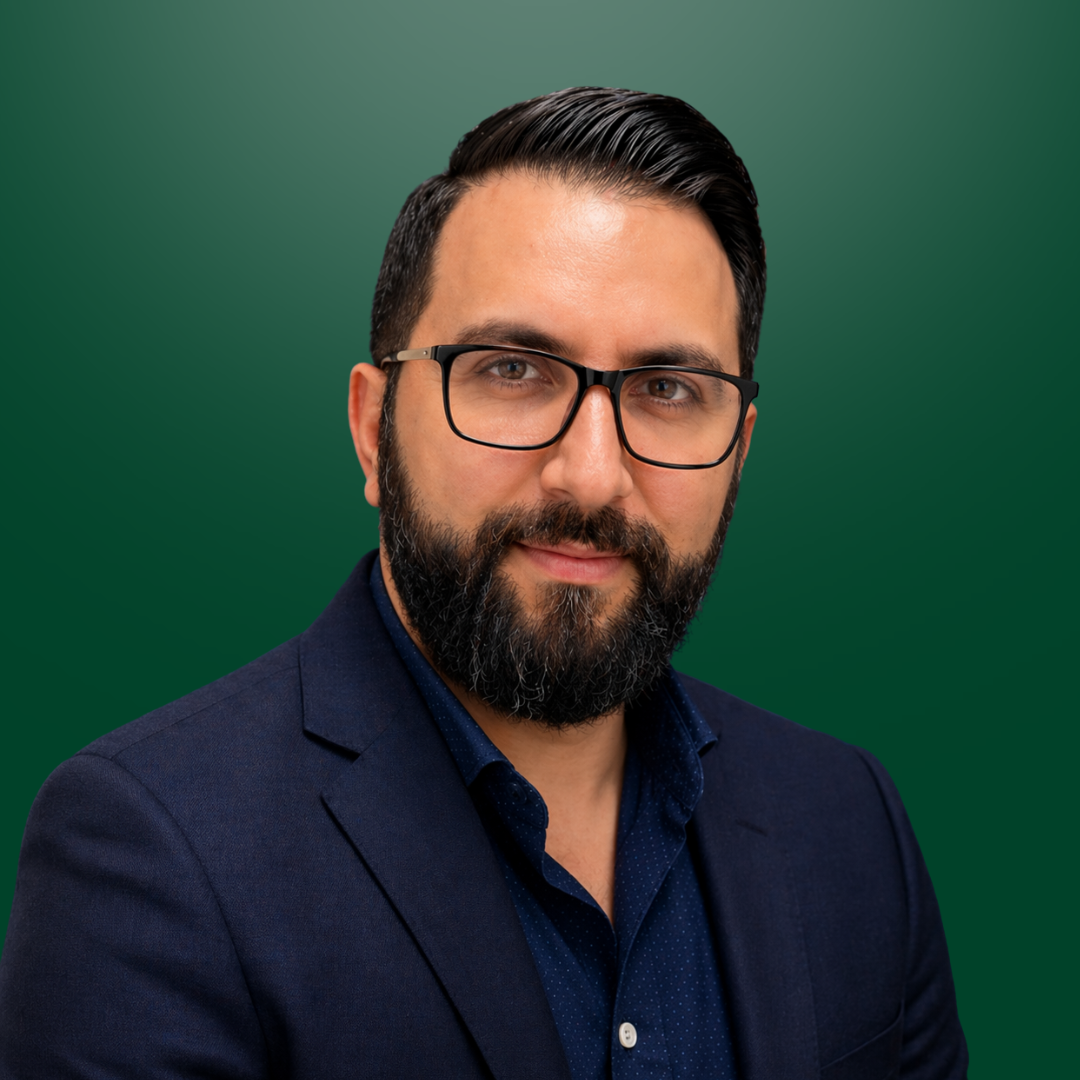
BCBA, IBA, CDA, M.Ed. in Applied Behavior Analysis, and Bachelor's in Business Administration and Management. Founder of Autism Intervention Specialists (Dubai) and Professional Advisory Board Member at the International Behavior Analysis Organization (IBAO).
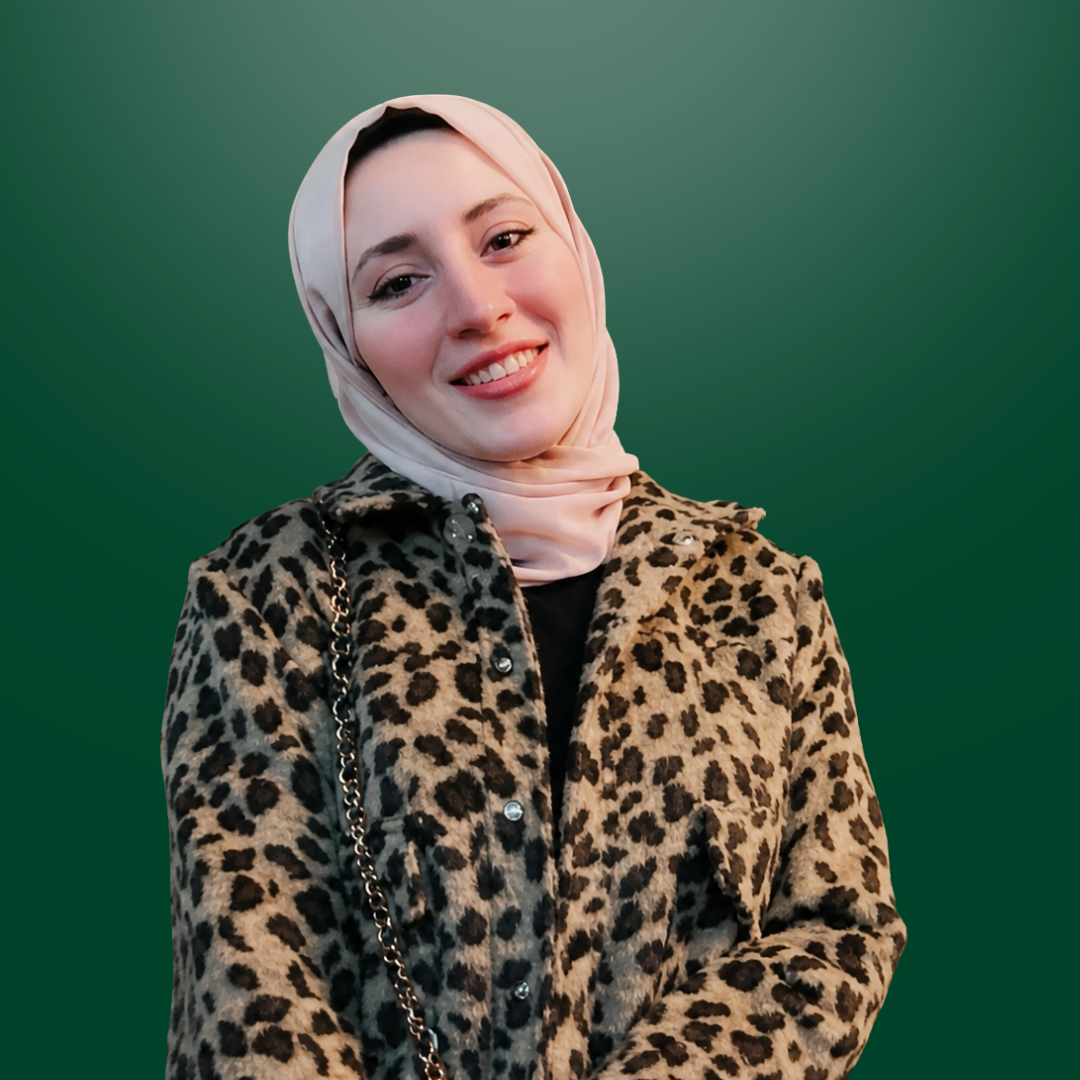
QBA, IBA, Speech Therapist, M.Ed. in Special Education, and M.Ed. in Speech Disorders. Executive Director at LUNAS For Behavioral Services.
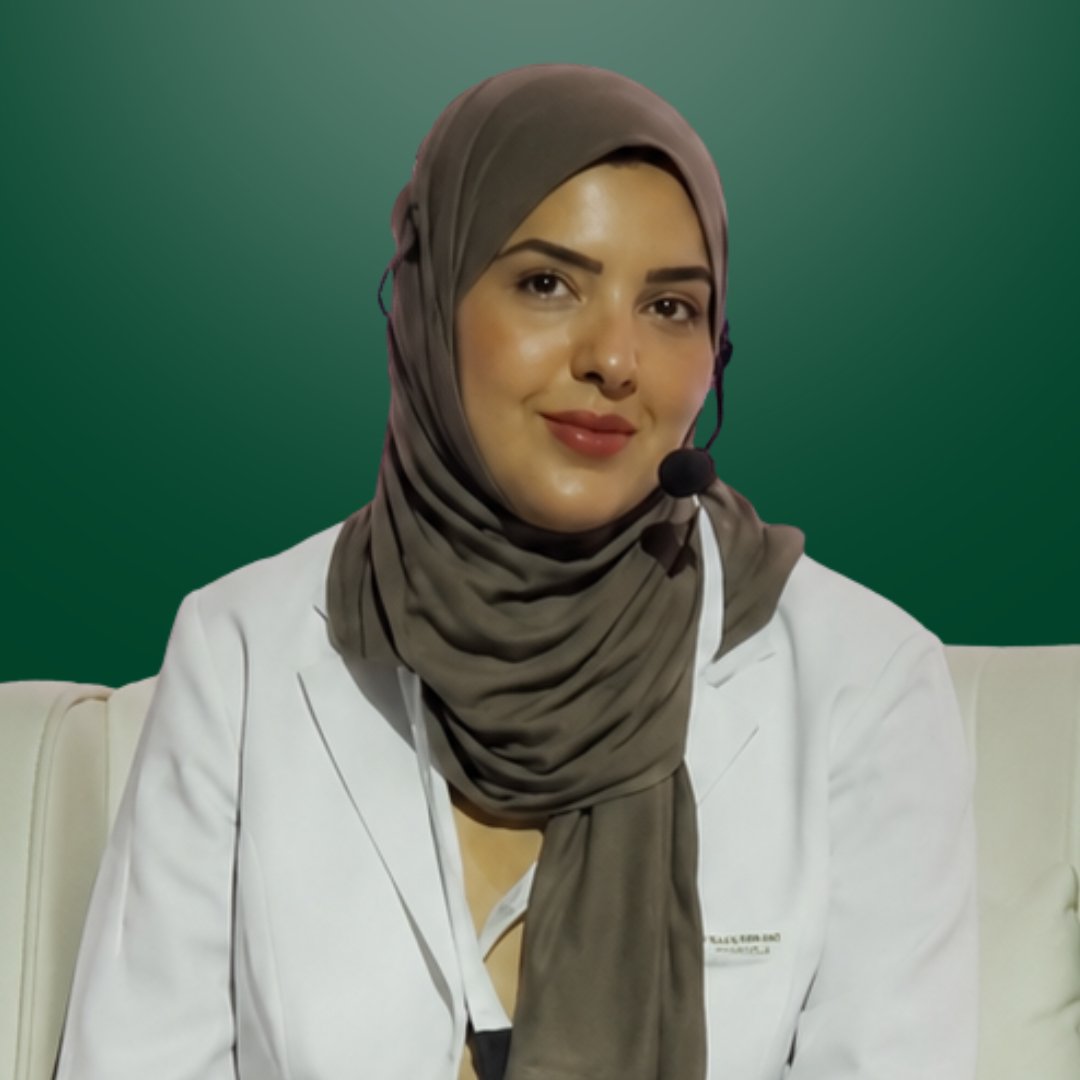
BCBA, QBA, CCC-SLP, M.A. in Applied Behavior Analysis, Master's in Speech-Language Pathology, and Bachelor's in Speech-Language and Hearing Sciences. Clinical Manager at Stepping Stones Center.
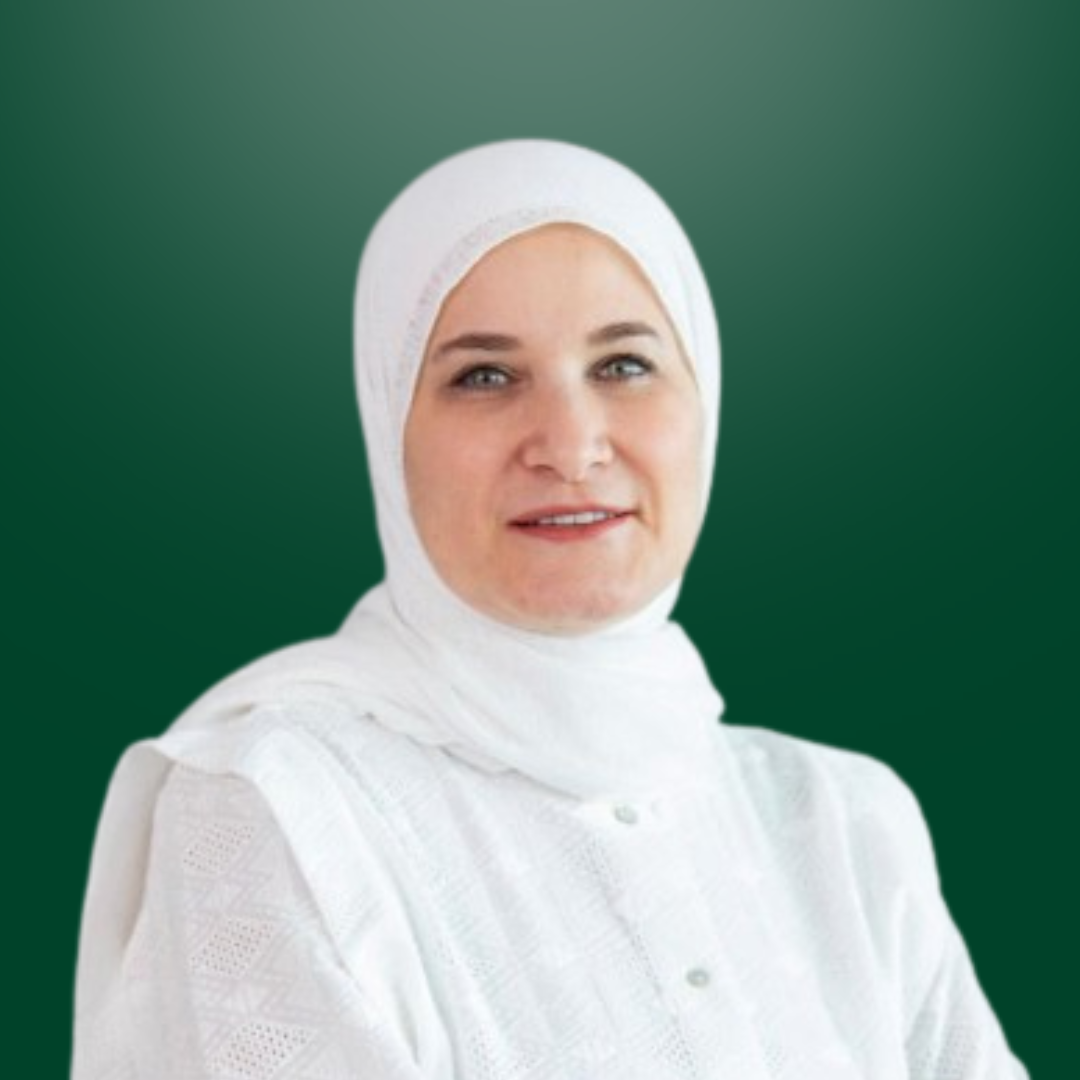
BCBA, IBA, CAS, QBA, Master's in Education (Special and Inclusive Education), and M.S. in Applied Behavior Analysis. Founder & Manager of InclusionBee and International Behavioral Consultant at Alternative Paths Training School.
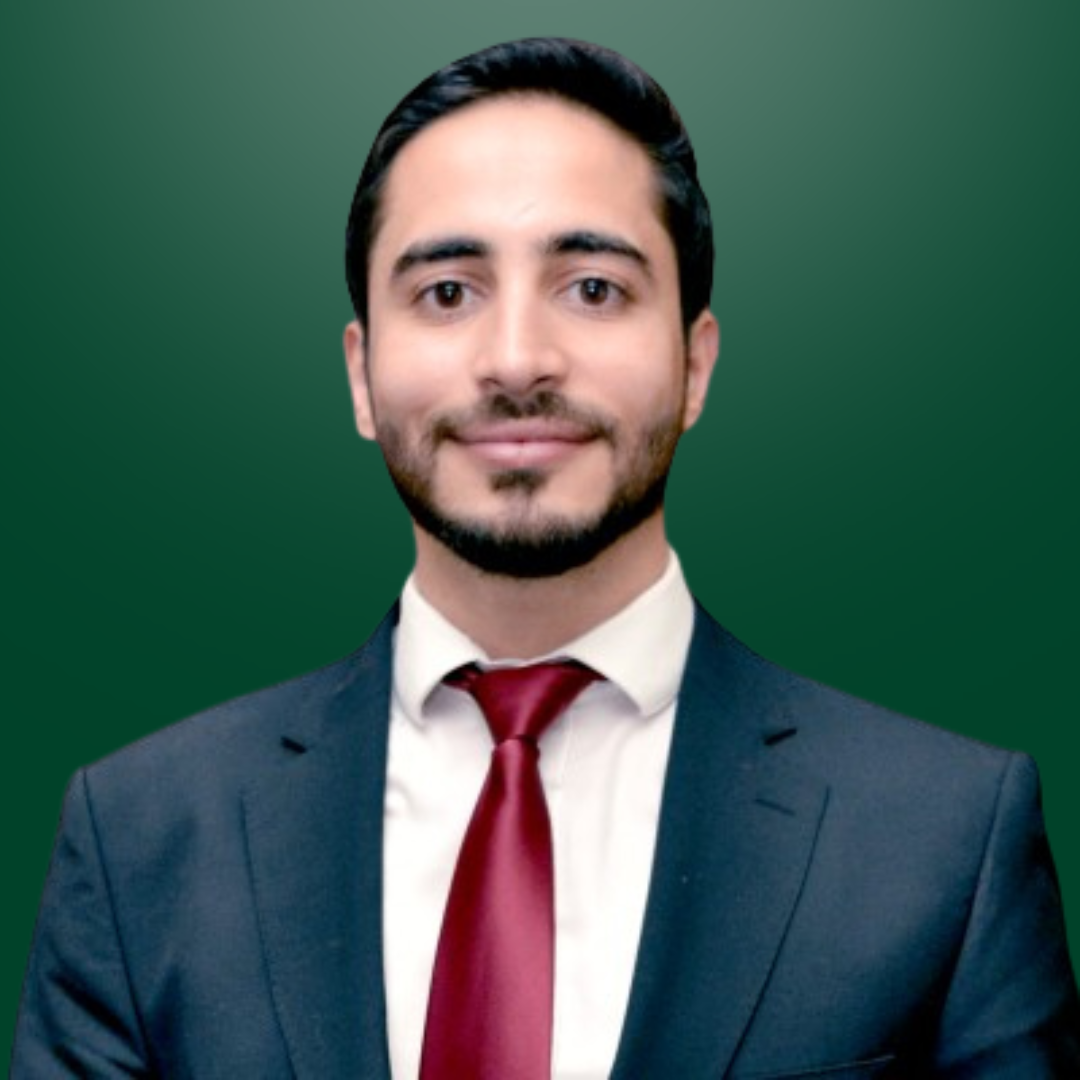
RBT, Ph.D. in Special Education, Master's in Special Education, and Bachelor's in Special Education. Special Education Specialist at the Ministry of Education – UAE.